Thinking about selling your Macomb home when the snow flies? You might be wondering if winter will help or hurt your bottom line. You’re not alone. Many Macomb County homeowners want a clear way to estimate value, plan timing, and avoid leaving money on the table. In this guide, you’ll learn how agents price homes for winter, what matters most in Macomb, and practical steps to boost your sale price and net. Let’s dive in.
How Macomb home value is set
Pricing a home in Macomb or across Macomb County starts with facts, not guesses. A strong estimate uses recent local sales, your current competition, and the pace of the market. From there, you adjust for your home’s features and condition.
Start with recent local sales
A comparative market analysis uses comparable sales from the past 3 to 6 months within your neighborhood or a short radius. Aim for similar property types with bedrooms, bathrooms, lot size, and finished square footage within a reasonable range. In fast-changing conditions, narrow the time frame to the last 30 to 90 days.
Adjust for differences that matter
Your agent will make dollar adjustments for measurable differences like finished square footage, number of baths, garage space, and finished vs. unfinished basement. Condition and updates matter too. Renovated kitchens and baths, newer mechanicals, and energy-efficient windows can support a higher price, while deferred maintenance can push values down.
Cross-checks: AVMs, appraisal, BPO
Online automated valuation models can be a helpful baseline, but they often miss interior condition and recent renovations. For a more defensible number, your agent can prepare a detailed CMA or arrange an independent appraisal or broker price opinion. Use online estimates only as a cross-check against current local data.
Why winter matters in Macomb
Winter in Macomb County changes how buyers shop and how homes show. That can shift your strategy, but it does not automatically lower your price.
Supply and demand
There are usually fewer active listings in winter and fewer casual shoppers, which can mean fewer showings. The buyers who remain often have firm deadlines or relocations, so they tend to be more serious. National seasonality research from the National Association of Realtors shows timing impacts activity, but local inventory and pricing trends will guide your actual list strategy.
Weather and showability
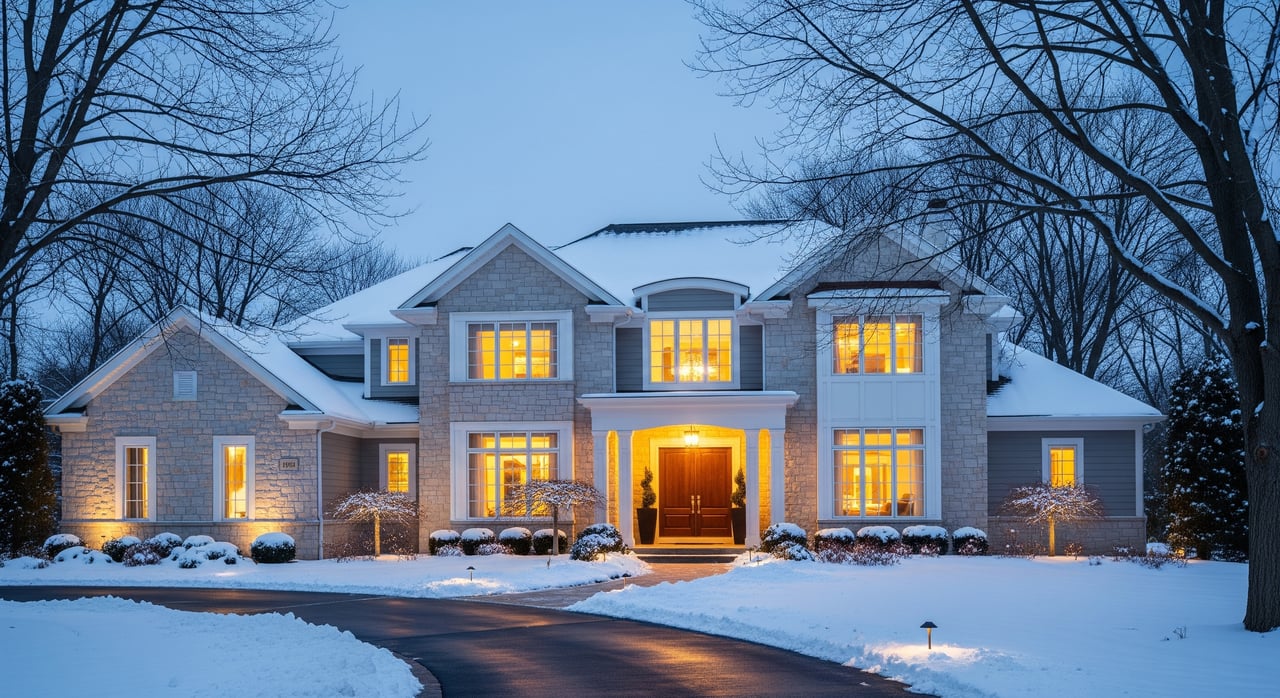
Snow, ice, and salt can dull curb appeal and make access harder. Shorter daylight hours also change how your home photographs and feels during showings. Plan for regular snow removal, clear walkways, and warm, bright interiors so buyers experience your home at its best.
Systems, inspections, and costs
Cold weather puts a spotlight on your furnace, insulation, windows, and roof. Buyers may request credits or repairs if heating performance is poor or winter damage is visible. Having service records and recent utility bills handy can reduce friction during negotiations.
Where to find current Macomb data
Local numbers change month to month, so pull fresh data before you price. Your best sources are:
- Local MLS via a cooperating Realtor for median sale price, days on market, list-to-sale ratios, and active inventory in Macomb and nearby townships.
- The Macomb County Equalization Department for parcel records, assessments, and recorded sales to validate comps.
- Michigan Realtors for statewide and county-level snapshots to understand broader trends.
- National Association of Realtors for regional context and seasonality research.
Use these sources to track median price, new listings, months of supply, and median days on market before finalizing your list price.
Features that move price here
Some features carry extra weight in Southeast Michigan and Macomb County:
- Finished basement with livable space and storage.
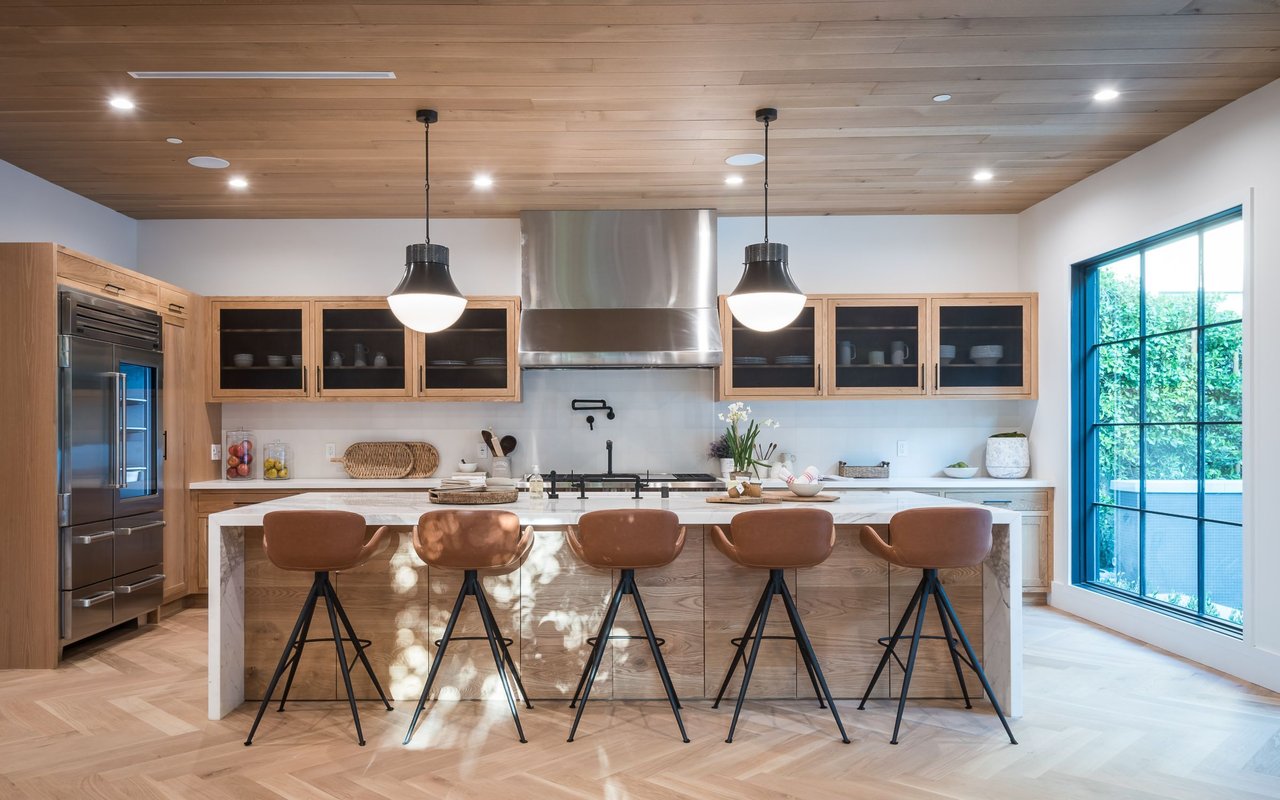
- Updated kitchen and baths with timeless finishes.
- Energy efficiency: insulation, newer windows, efficient furnace, and water heater. The ENERGY STAR program offers helpful guidance.
- Garage capacity and a clean, well-lit garage. Heated garages add appeal in winter.
- Lot size, privacy, and usable outdoor space.
- Mechanical system age and roof condition with documentation.
- Drainage, floodplain, or backflow history. Check local resources such as Michigan EGLE for floodplain information and be ready to disclose known issues.
Smart winter pricing strategies
Your pricing approach should match local demand, your timing, and your home’s condition.
- Price competitively to spark activity. Listing slightly under market can draw more buyers and potential multiple offers, especially when inventory is thin. The tradeoff is the risk of leaving money on the table.
- Price at market and hold firm. This can preserve perceived value and target buyers able to pay closer to full price. The tradeoff is a potentially longer days-on-market.
- Use price banding. Position just below a common search threshold to show up in more buyer searches.
- Consider pre-inspection or a home warranty. Reducing uncertainty can help support your price and limit credits during negotiation.
Work with your agent to monitor feedback in the first two weeks. If showings are strong but offers lag, adjust quickly based on fresh comps and the competition.
Estimate your net proceeds
Your sale price is only one piece. To estimate net proceeds, subtract:
- Your outstanding mortgage balance and any home equity loans.
- Real estate brokerage fees in your listing agreement.
- Closing costs like title services, transfer/recording fees, and prorated taxes. A local title company or your agent can prepare an estimated seller net sheet.
- Repairs, credits, or concessions negotiated after inspection or appraisal.
Ask your agent for a custom net sheet based on a price range and target closing date. Update it once you accept an offer.
Winter prep checklist for sellers
Getting ready ahead of time helps protect your price and smooth your timeline.
Documents to gather
- Michigan Seller’s Disclosure form and any lead-based paint disclosure if applicable.
- Recent utility bills for the past 12 months.
- Receipts, permits, and warranties for major work such as roof, HVAC, windows, kitchen, or bath updates.
- Property tax bill, parcel ID, and any survey or plot plan.
- Service records for furnace, water heater, and sewer or septic systems.
Actions that add value
- Snow and ice plan: timely removal, ice melt at steps, and safe access to all entries.
- Bright, warm interiors: set a comfortable temperature, use layered lighting, and open blinds for showings.
- Minor repairs and refresh: touch-up paint, caulk, tighten hardware, replace burned-out bulbs, and deep clean.
- Pre-list servicing of mechanicals if you suspect issues.
- High-quality photos and a video or 3D tour taken on a clear day or at twilight to showcase warmth and lighting.
Marketing and showing tips in the cold
Buyers often preview online before braving the weather. Make your digital first impression count with polished photos and a clear floor plan. During showings, create a seamless path from driveway to door, provide a shoe mat, and highlight cozy spaces like a fireplace or finished basement. If open houses are limited by weather, schedule well-structured private showings and offer virtual tours for relocation buyers.
The bottom line for Macomb sellers
You can still earn a strong price in winter if you price with current comps, prepare for cold-weather showings, and control buyer uncertainty. Start with a fresh CMA, choose a clear pricing strategy, and gather documents that support value. A little winter prep goes a long way toward a smoother sale and a better net.
Ready for a local pricing read on your home? Reach out to Great Lakes Realty & Property Management to request a free, data-backed winter CMA and net sheet.
FAQs
Will listing in winter lower my price in Macomb?
- Not necessarily. There are usually fewer buyers, but they tend to be more motivated. Your pricing, condition, and the current local inventory will have a bigger impact than the month on the calendar.
How do I estimate what my Macomb home could sell for?
- Use a current CMA based on nearby sales from the last 3 to 6 months, adjust for features and condition, review competing listings, and cross-check with a professional opinion like an appraisal or BPO.
How long does it take to sell in winter?
- Days on market vary by neighborhood and price point. Your agent can pull current DOM from the local MLS so you set expectations based on real-time Macomb data.
What features add the most value in Macomb County?
- Finished basements, updated kitchens and baths, newer mechanicals, energy-efficient upgrades, and a clean, functional garage tend to move the needle for buyers in Southeast Michigan.
Should I make upgrades before listing in winter?
- Focus on cost-effective improvements such as paint, lighting, minor repairs, and servicing the furnace. Handle any obvious issues that might trigger credits after inspection.
What documents should I prepare before listing?
- Gather your Seller’s Disclosure, recent utility bills, receipts and permits for major work, tax bill and parcel ID, and service records for HVAC, roof, and water heater. These help support your asking price and speed up negotiations.