Renovating an older or historic home can be deeply rewarding. It also takes extra planning. This guide walks Oakland County owners, buyers and small landlords through assessment, permits, design decisions, contractors, financing and next steps. Our goal is to help you protect character while upgrading safety, comfort and value.
Here is the good news. With the right plan, you can balance preservation with modern living. And you do not have to do it alone.
What counts as a “historic” or older home — signs to look for in Oakland County properties
Not every old house is officially “historic,” but many have features worth saving. In Oakland County, about one‑third of homes were built before 1960, so older systems and materials are common. County housing data show roughly 25.7% built 1940–1959 and 8.3% built 1939 or earlier, about 34% total built before 1960. That is a lot of homes with unique needs. See the housing‑age breakdown for Oakland County.
Signs your home may have historic value or extra rules:
- Exterior clues: original wood windows, divided‑lite sashes, brick or stone masonry, slate or cedar roofs, unique porch columns, decorative trim.
- Interior clues: plaster walls, wide wood floors, original doors and hardware, built‑ins, vintage tile, older stair geometry.
- Neighborhood context: consistent older streetscapes, streetcar‑era blocks, or posted historic district signs.
- Paper trail: local historic district maps, National Register listings, or local landmark records. Start with your city planning office or Historic District Commission. Example: Royal Oak HDC.
When to plan as if it is “historic”:
- The house is in a local historic district.
- You want to use state or federal historic tax credits.
- You aim to keep original features that add value.
First steps: assessing condition, risks and renovation budget
Start with a clear picture of the home’s condition. Then build a scope and budget in layers.
Step‑by‑step assessment:
- Whole‑house inspection by a pro who knows older homes. Ask for a detailed report and photos.
- Specialized checks, as needed:
- Roof, chimney and flashing
- Foundation and drainage
- Electrical capacity, panel condition, and wiring
- Plumbing supply and waste lines
- HVAC safety and efficiency
- Lead paint testing for pre‑1978 homes and RRP compliance. Learn more from the EPA RRP program.
- Asbestos screening where suspect materials exist.
Prioritization framework:
- Health and safety first: lead‑safe practices, electrical hazards, gas leaks, failing stairs, mold and moisture control.
- Building envelope and structure: roof, gutters, foundation, masonry, windows and doors. Keep water out and structure sound.
- Systems: electrical, plumbing, HVAC. Size them for today’s loads and energy efficiency.
- Finishes and preservation items: floors, trim, fixtures, and details that carry charm and value.
Budget buckets to separate:
- Emergency repairs and life‑safety items
- Code‑driven upgrades and permits
- Preservation costs for specialty work (window restoration, masonry repointing, slate or tile roof repair)
- Energy upgrades and weatherization
- Soft costs (design, engineering, permit fees, historic review)
- Contingency
How much contingency should you set aside?
- For older homes, 15% to 20% is common. Hidden conditions are typical once walls open up.
- Use a phased approach if needed. Start with critical exterior and systems, then move to kitchens, baths and finishes.
One more tip: Michigan’s Rehabilitation Code for Existing Buildings gives flexibility for historic structures. It can allow alternative compliance paths that preserve original fabric while meeting safety goals. Read about the Michigan Rehabilitation Code.
Local rules, historic district oversight and permits in Oakland County
Rules live at three levels: federal, state and local. Each works differently.
- National Register listing is mostly honorary. By itself, it does not restrict what private owners can do unless federal funds or permits are involved. Learn more from the National Park Service: About National Register listing.
- Local historic districts are where design review usually happens. Cities like Royal Oak, Birmingham, Oakland Township and Rochester use Historic District Commissions to review exterior work and issue a Certificate of Appropriateness. See a local example: Royal Oak HDC.
- State and federal tax credit programs add standards if you choose to use them. Work must meet the Secretary of the Interior’s Standards for Rehabilitation.
How to check your property and plan permits:
- Ask your city or township if the home sits in a local historic district or is a designated landmark. The planning or preservation office can confirm.
- Meet the building department early. Map out needed permits for structural work, electrical, plumbing, HVAC and exterior changes.
- If in a historic district, align HDC review with permit timing. Expect to submit drawings, material specs and photos. Meeting schedules can affect your project calendar.
- For renovations of existing structures, ask about using the Michigan Rehabilitation Code. It can save time and preserve character while staying safe and legal.
Plan for timelines and fees. HDC meetings and permit reviews can add weeks. Build this into your schedule and carrying costs.
Design choices: preserving character vs. modernizing for lifestyle and code
A smart plan keeps what matters and updates what must change.
What to prioritize keeping:
- Original hardwood floors and trim
- Solid wood doors and period hardware
- Plaster details, built‑ins and staircases
- Historic windows that are repairable
Sensitive ways to modernize:
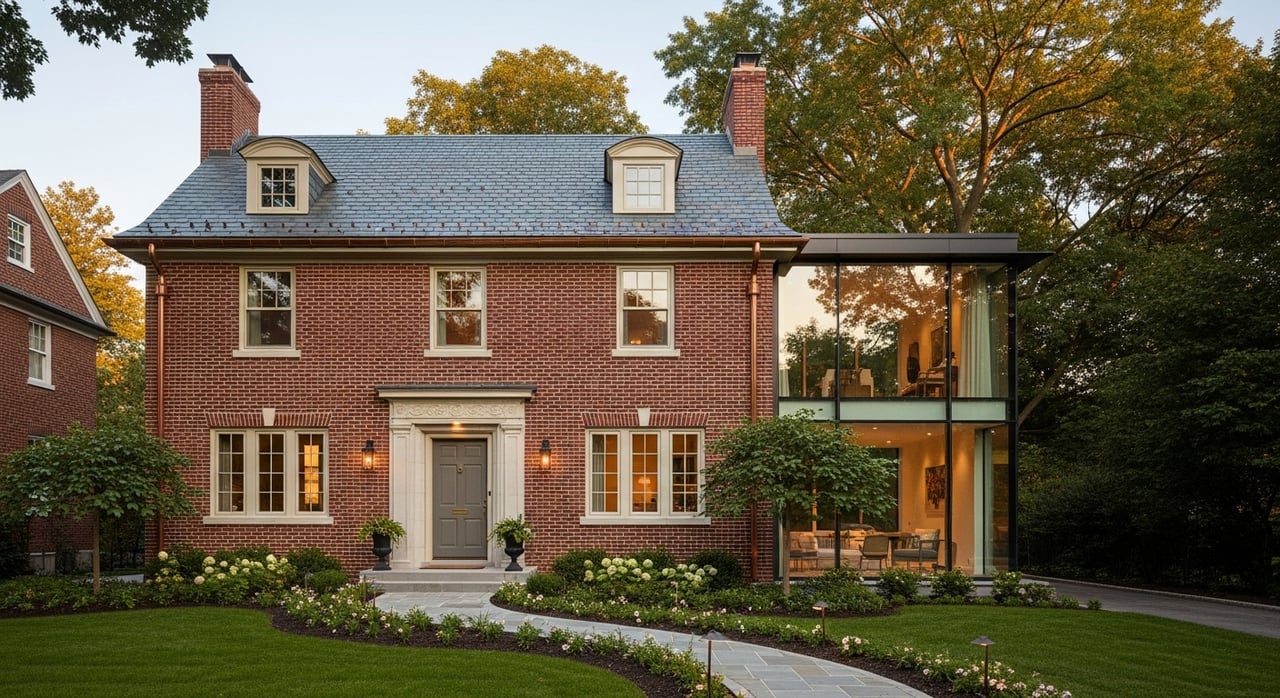
- Add space at the rear or side to keep the street view intact
- Reuse original doors and trim in new openings
- Match profiles and materials for any new exterior work
- Use interior storm panels or weatherstripping to boost window performance without full replacement
When replacement is the right call:
- Unsafe electrical, failing plumbing, or obsolete heating equipment
- Deteriorated materials beyond repair that threaten the envelope or structure
- Accessibility and life‑safety upgrades needed for code or everyday use
If you plan to use tax credits, your work must meet the Secretary’s Standards. Learn more about how projects are reviewed in Michigan: State Historic Tax Credit program.
Upgrading systems and energy efficiency in older homes
Focus on safety, comfort and steady savings.
Electrical, plumbing and HVAC:
- Upgrade panels, wiring and bonding for safety and capacity.
- Replace galvanized or failing supply lines. Update drains and vents.
- Right‑size HVAC. Consider heat pumps where they make sense. Improve distribution and ventilation.
Insulation and air sealing that respect historic fabric:
- Air seal the attic and basement first. These are low‑impact, high‑return steps.
- Add attic insulation. Dense pack sidewalls only after confirming moisture control and ventilation.
- Use vapor‑open materials where historic walls need to breathe.
Windows: repair, retrofit, or replace?
- Repair and weatherstrip original windows when possible. Add interior storms for efficiency.
- If replacement is needed, match the original look and profiles. In historic districts, this often requires review.
Rebates and incentives:
- Michigan’s Home Energy Rebates program offers support for insulation, heat pumps and more. See the state update on rebates: MiHER information.
- Utilities also offer rebates. Check your provider for current offers and approved contractors.
Money: tax credits and renovation financing options
Historic tax credits can be powerful, but rules vary.
- Federal Historic Rehabilitation Tax Credit: a 20% federal income tax credit for certified rehabilitations of income‑producing historic buildings. Owner‑occupied homes do not qualify. Learn the basics: NPS tax credit overview.
- Michigan State Historic Tax Credit: state credits with categories that include owner‑occupied homes and small commercial projects. Rules and funding caps can change, so check current status before you plan: MiPlace SHPO program.
Renovation loan options:
- FHA 203(k) and conventional renovation mortgages can roll purchase and rehab into one loan. Appraisals are based on the “as‑completed” value. See HUD’s program and compliance context: HUD overview.
Finding and working with contractors, preservation specialists and lenders
The right team reduces risk and surprises.
Who to include:
- General contractor with old‑home experience
- Preservation specialist or architect for historic scope
- Structural engineer for foundations or framing changes
- Licensed trades for electrical, plumbing and HVAC
- Permit expediter if timelines are tight
Vetting checklist:
- Three recent references for older or historic projects
- Before‑and‑after photos of similar work
- Active Michigan licenses and insurance. Verify with the state: LARA licensing.
- EPA RRP certification for pre‑1978 paint work: EPA RRP
- Detailed written scope, schedule and draw schedule
How to compare bids:
- Require line‑item pricing for demolition, structural, systems, finishes and cleanup
- Ask how unforeseen conditions will be priced and approved
- Hold a 10% retainage until final inspections are complete
Financing help:
- Explore renovation loans with a local lender who understands older homes. A coordinated team often gets to closing, permits and completion faster.
Key rules and standards to know
- National Register listing is honorific and does not restrict private owners unless federal funds or permits are involved: NPS National Register.
- Local historic districts can require design review for exterior changes and demolition. Example procedures here: Royal Oak HDC.
- The Secretary of the Interior’s Standards guide work for tax credits. Michigan SHPO follows these Standards for state credits: MiPlace SHPO.
- Michigan’s Rehabilitation Code gives flexibility for existing buildings while keeping safety in focus: Michigan Rehabilitation Code.
How Great Lakes Realty & Property Management can help Oakland County owners and buyers
Older homes deserve careful planning. We help you chart the path.
- Brokerage support to price, buy or sell older homes, with clear advice on renovation impact and resale value.
- Introductions to trusted local lenders who offer renovation financing.
- Contractor sourcing and coordination support, plus guidance on permits and historic reviews.
- Property management and leasing for owners who plan to rent after renovation.
We are founder‑led and local. We connect the dots from purchase to financing to management so your project runs smoother.
Conclusion — practical next steps for Oakland County homeowners
Ready to move forward? Start here:
- Order a full inspection and any needed lead and asbestos tests.
- Confirm if your property is in a local historic district and list needed permits.
- Meet the building department early and ask about the Michigan Rehabilitation Code path.
- Gather 2 to 3 detailed contractor bids.
- Talk with a lender about renovation loan options and timelines.
Planning ahead saves time and money while protecting your home’s character. If you want help building a plan tailored to your property, we are here. Let’s turn the next Page. Get your free home valuation and schedule a consult with Great Lakes Realty and Property Management.
FAQs
Q: How do I know if my home is in a local historic district? A: Call your city or township planning office or Historic District Commission. Many cities post district maps online. Example resources: Royal Oak HDC page.
Q: Does being on the National Register restrict what I can do? A: National Register listing is mostly honorific and does not restrict private owners unless federal funds or permits are involved. Details: NPS National Register overview.
Q: What code applies to renovating my older home? A: Your local building department enforces Michigan building codes. For existing and historic buildings, the Michigan Rehabilitation Code can offer flexible compliance options. Learn more: Michigan Rehab Code.
Q: Can I get tax credits for fixing up my historic house? A: Federal 20% credits apply only to income‑producing properties. Michigan’s state credit may include owner‑occupied projects. Check current rules and funding status here: MiPlace SHPO tax credits.
Q: Do I need special certifications for lead paint? A: For pre‑1978 homes, contractors must follow the EPA’s RRP rule when disturbing paint. Hire an RRP‑certified firm and budget for safe work practices. Learn more: EPA RRP.
Q: Are there rebates for energy upgrades? A: Yes. Michigan’s Home Energy Rebates and local utility programs offer incentives for insulation, heat pumps and more. Start here: State rebate information.
Q: How do I verify a contractor’s license in Michigan? A: Use the state’s online resources to confirm licensure and standing. Start with LARA’s site: License verification.