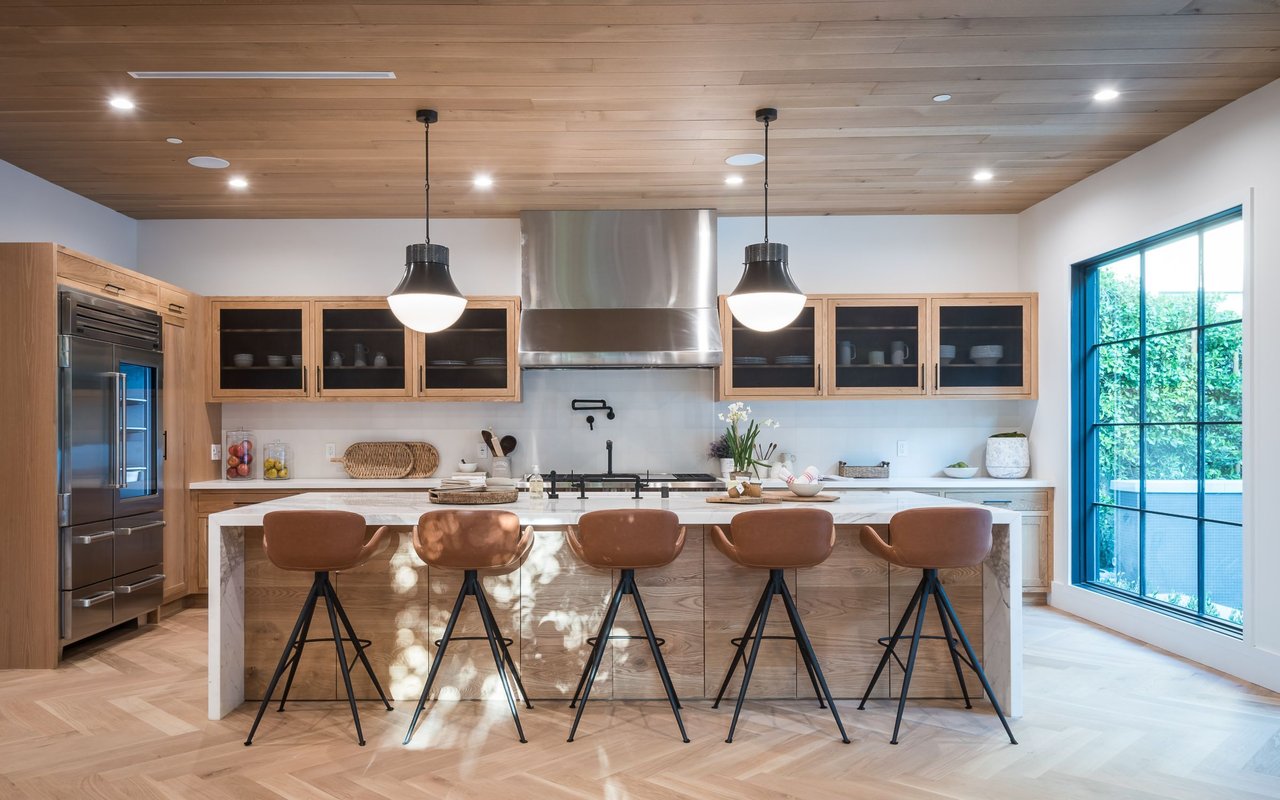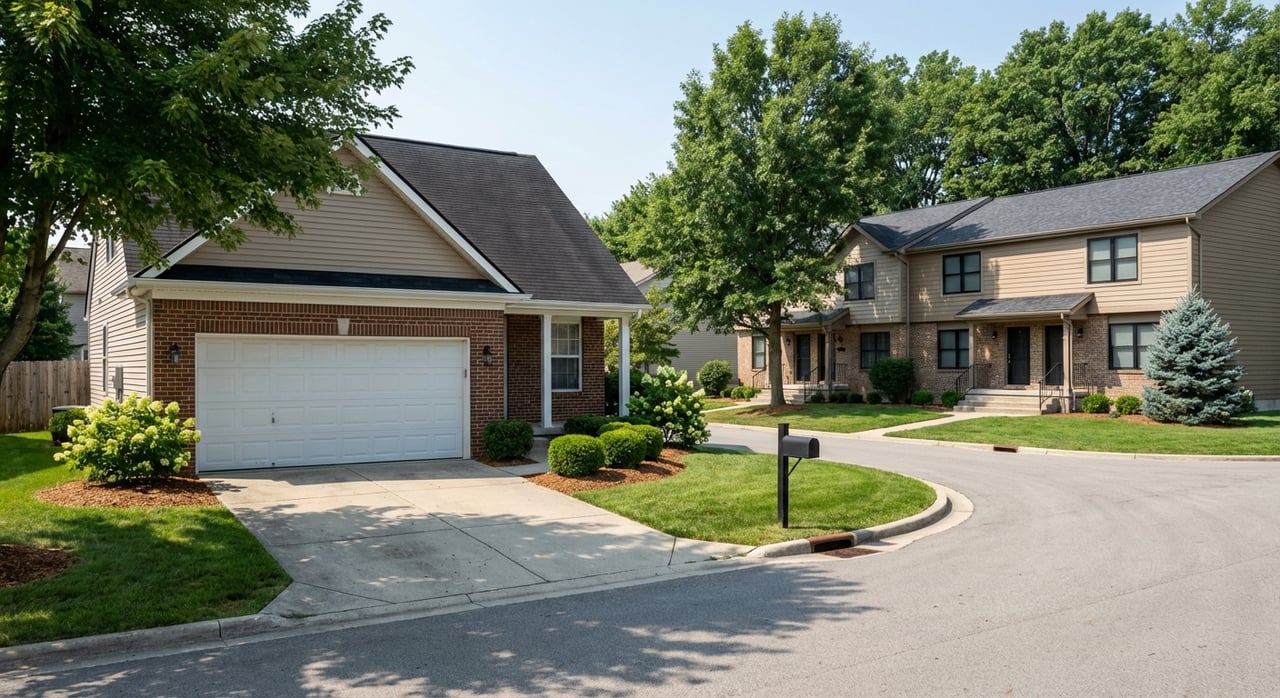
Thinking about buying your first place in Sterling Heights but not sure whether a starter single‑family home or a townhome is the better move? You’re not alone. Many buyers want space and privacy without surprise costs, while others value low exterior upkeep and modern finishes. In this guide, you’ll see what typical prices look like, how HOA fees work, what maintenance to expect, and how Michigan taxes and financing rules can affect your budget. Let’s dive in.
Sterling Heights market at a glance
Sterling Heights sits near the middle of the Detroit metro price spectrum, which makes it a strong spot for first‑time buyers and move‑up shoppers. Recent snapshots show typical home values around the upper $200s to low $300s, and entry‑level single‑family homes often land in the $200,000 to $325,000 range. Townhomes and condos vary more widely, with older units sometimes under $200,000 and newer or larger townhomes often in the $250,000 to $450,000 band, with a few new builds higher.
Prices also shift by ZIP code. City data snapshots have shown ZIP‑level medians that differ by tens of thousands of dollars, so filtering by 48312 or 48313 can reveal more starter‑friendly options, while 48310 and 48314 often trend higher. Inventory can be tight at times, so be prepared to act quickly when a well‑priced home fits your criteria.
Starter home vs. townhome: what you own
A detached single‑family home typically means you own the structure and the land. You are responsible for everything outside and inside, including the roof, siding, driveway, yard and snow removal. Sterling Heights has a large stock of mid‑century and later single‑family homes, so pay attention to the age of major systems during showings and inspections. You can review broad housing stock data in the city’s profile on Census Reporter.
In a townhome or condo community, you usually own the interior space, while a homeowners association (HOA) handles exterior elements and common areas. Monthly HOA dues are common and should be treated as part of your housing budget. Locally, newer townhome communities often carry dues in roughly the $200 to $400 per month range, while some older condo complexes can be higher depending on amenities and reserves.
What HOAs usually cover
Coverage varies by community, so always verify the specifics. Typical inclusions can be grounds care, snow removal, exterior maintenance, and sometimes water and building insurance. To understand how these costs are structured and what you would still insure yourself, review guidance on what HOA fees commonly cover from FirstService Residential.
What to review in the condo/HOA documents
Before you commit, request the association’s resale packet and study these items carefully:
- Current budget and recent financials, plus any reserve study for future big projects
- Insurance declarations that outline the master policy vs. what your unit policy (HO‑6) must cover
- Meeting minutes that flag upcoming projects, rule changes or litigation
- Owner‑occupancy and delinquency rates, which can affect loan eligibility, especially for FHA and VA programs
For a primer on HOA coverage and reserves, see FirstService Residential’s overview. For VA loan program nuances on condos, review this guidance from the VA Loan Network.
Cost of ownership: an apples‑to‑apples look
When you compare a single‑family home to a townhome, focus on total monthly cost, not just the mortgage. Add together mortgage payment, property taxes, insurance, HOA dues if applicable, and a maintenance reserve.
A useful rule of thumb for maintenance is to set aside about 1 to 4 percent of the home’s value per year, depending on age and condition. On a $300,000 single‑family home, that suggests budgeting roughly $3,000 to $12,000 per year, or about $250 to $1,000 per month. This aligns with guidance from Fannie Mae’s homeownership resource.
In a townhome or condo, part of that exterior upkeep is built into the HOA dues. You still need to budget for interior repairs, an HO‑6 condo policy, and the risk of special assessments for large projects. The right choice comes down to which cost profile fits your lifestyle and tolerance for hands‑on maintenance.
Michigan taxes: Proposal A and uncapping
Michigan’s property tax rules matter when you buy. Under Proposal A, the taxable value used to calculate your bill is capped each year by inflation or 5 percent, whichever is lower. When a property changes hands, that taxable value typically resets toward the state equalized value. This “uncapping” can cause a noticeable jump in taxes for a new owner compared with the seller’s bill. The City explains this in its Assessment Notice and Proposal A overview.
Before you write an offer, check parcel‑specific details like taxable value, millage code and recent tax history. Sterling Heights provides millage context and links to the assessor’s lookup on its Local Tax Information page and through the Assessing Department.
Financing tips for condos and townhomes
If you want to use an FHA or VA loan on a condo or certain townhomes, your lender will need information about the project’s financial health and owner‑occupancy. Some projects require formal approval. If a community is not eligible, financing can be delayed or denied. Get clarity early, especially if you plan to use a government‑backed loan. For a quick overview of VA requirements, review the VA Loan Network’s condo guide.
Conventional loans are widely available for both single‑family homes and attached housing, but your lender may still require a condo questionnaire, budgets and insurance certificates. Start your pre‑qualification before you tour, and ask your lender what additional documents they will need for condos.
How to decide: quick buyer checklist
Use this checklist to compare a starter single‑family home to a townhome or condo in Sterling Heights:
- Monthly carrying cost: mortgage + taxes + insurance + HOA dues (if any) + maintenance reserve
- Lifestyle: want a private yard and more control over exterior projects, or prefer lower exterior upkeep and shared community spaces
- ZIP filters and commute: test your target price band in 48312 and 48313 for more options, then compare to 48310 and 48314
- School district mapping: confirm whether a property is within Utica Community Schools or Warren Consolidated Schools and factor that into your plans
- Financing: if you need FHA or VA, verify condo eligibility up front
- HOA risk tolerance: reserve study, special assessments, insurance coverage and delinquency rates should all feel comfortable
A simple step‑by‑step plan
Follow this path to shop confidently and avoid surprises:
- Get pre‑qualified and confirm whether you are shopping single‑family, attached housing, or both. Ask your lender about condo project requirements early.
- Pick one or two ZIP codes and a firm price target that includes HOA dues if you are considering townhomes or condos.
- On any attached home you like, request the resale packet quickly and review the budget, reserves and insurance. Confirm owner‑occupancy and any planned special assessments.
- Schedule a full home inspection. For single‑family homes, get clarity on roof, furnace, AC, water heater, appliances, driveway and drainage. For townhomes, confirm what repairs are HOA responsibilities vs. yours.
- Model post‑purchase property taxes using the assessor’s pages so you understand the effect of uncapping before you remove contingencies. The city’s Local Tax Information and Assessing pages are helpful starting points.
What’s changing nearby: Lakeside City Center
Sterling Heights is advancing the Lakeside Mall redevelopment into a mixed‑use town center. Projects like this can influence neighborhood amenities and long‑term demand, which is helpful context if you plan to hold your home for five years or more. You can follow updates on the city’s Lakeside City Center page.
Single‑family vs. townhome: maintenance realities
Many Sterling Heights homes were built in the 1960s through the 1980s, so ask about the age and condition of major systems during showings. Roofs, furnaces, AC units and water heaters all have life spans. If components are near end of life, that affects your first‑year budget.
Townhomes shift much of the exterior work to the HOA, which can be a relief if you have a busy schedule or prefer predictable bills. Still, keep a modest interior reserve and read the reserve study to understand the community’s plan for big projects like roof replacement or parking lot resurfacing. Clear documents are a good sign that the association is planning ahead.
Putting it together
If you value privacy, a yard and full control of projects, a starter single‑family home in the $200,000 to $325,000 range can be a solid fit. If you prefer low exterior upkeep and newer finishes, a townhome with dues around $200 to $400 per month could give you predictable costs and a convenient lifestyle. Either way, confirm taxes and financing early and compare your total monthly budget.
Ready to run the numbers and see live options by ZIP code and property type? Connect with Great Lakes Realty and Property Management. You’ll get local guidance, introductions to a trusted lender partner, and end‑to‑end support. If you later choose to rent out your place, our property management team can handle the day‑to‑day while you keep the long view.
FAQs
What price range defines a starter home in Sterling Heights?
- Many first‑time buyers shop detached homes in roughly the $200,000 to $325,000 range, depending on ZIP, size and condition.
How much are typical HOA dues for townhomes or condos?
- Newer Sterling Heights townhome communities often show HOA dues around $200 to $400 per month, with some older condo complexes higher based on amenities and reserves.
Are townhomes cheaper to maintain than single‑family homes?
- Townhomes shift exterior costs to the HOA, which can smooth expenses, but you still budget for interior upkeep and insurance; single‑family owners should set aside about 1 to 4 percent of value yearly per Fannie Mae’s guidance.
Can I use FHA or VA to buy a Sterling Heights condo?
- Often yes, but the condo project may need to meet program requirements; confirm eligibility with your lender early and review guidance from the VA Loan Network.
How will Proposal A affect my property taxes after I buy?
- When a property transfers, taxable value typically resets toward the state equalized value, so your taxes may rise compared with the seller’s; see the city’s Proposal A overview for details.
What should I look for in HOA documents before buying?
- Focus on the budget, reserve study, insurance coverage, meeting minutes, owner‑occupancy and any special assessments; this HOA fee guide explains typical coverage.
How fast do starter homes sell in Sterling Heights?
- Market speed varies by month, but inventory is often limited and well‑priced homes can move quickly, so have financing ready and act decisively when you find a match.