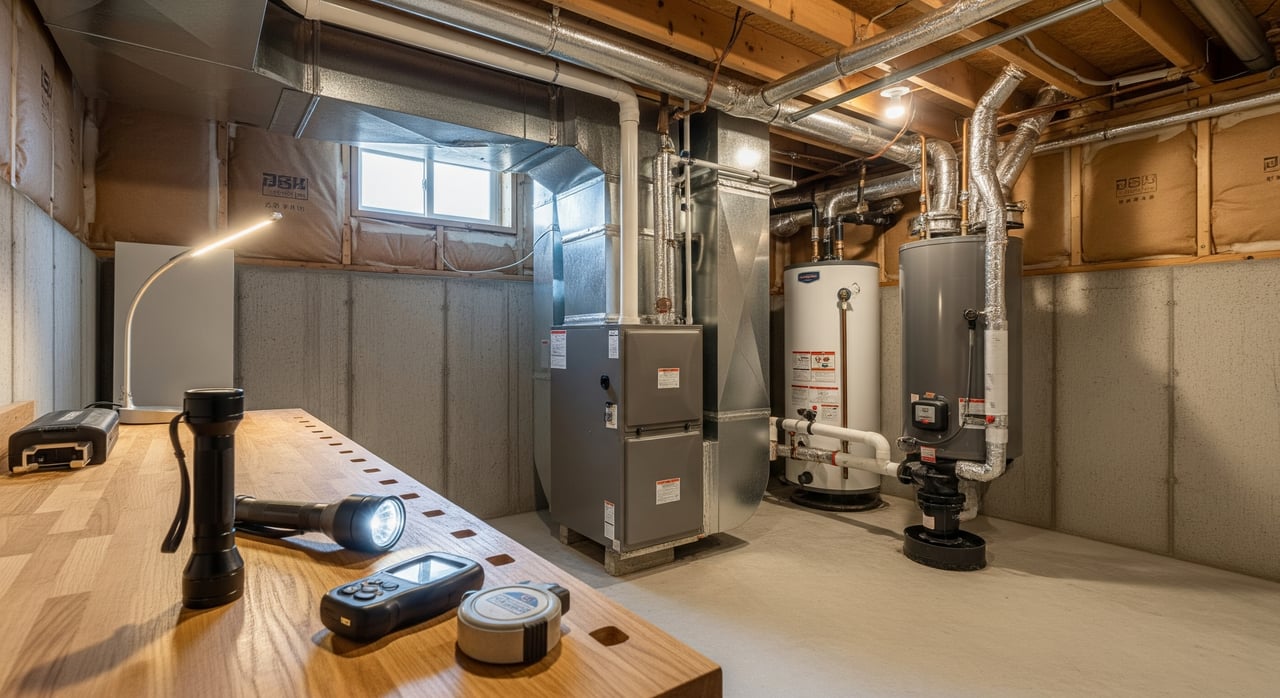
Buying or selling in Shelby Township and wondering what really happens at a home inspection? You are not alone. An inspection can feel like a big hurdle, but it is also your best chance to understand a home’s condition before you commit. In this guide, you will learn what inspectors check, which local issues matter most in Macomb County, what add-on tests to consider, and how to use results to negotiate with confidence. Let’s dive in.
What a home inspection covers
A standard home inspection is a visual, noninvasive check of a home’s major systems and components. The goal is to flag safety concerns, significant defects, and items that may require repair or replacement soon. Most inspectors follow a recognized Standards of Practice and provide a written report with photos.
Systems commonly inspected
- Exterior: roof surface and flashing, gutters and downspouts, siding, trim, windows and doors, grading and drainage, decks and porches.
- Structure and foundation: visible walls, settlement clues, cracks, basements and crawlspaces for moisture and efflorescence.
- Roofing and attic: overall roof condition, ventilation, insulation levels, and sheathing from accessible areas.
- Plumbing: visible supply and drain lines, fixtures, water heater type, age, and safety.
- Electrical: service entrance, panel condition, grounding, GFCI and AFCI where required, obvious hazards.
- HVAC: furnace or boiler operation, A/C condition and basic function, venting and flues.
- Interior: walls, ceilings, floors, stairs and handrails, windows, and built-in appliances.
- Safety items: smoke and CO alarms, guardrails, trip hazards.
What is not included
- Code compliance certification or destructive testing.
- Hidden components behind walls or under finishes.
- Specialized testing such as mold, asbestos, or lead paint unless separately ordered.
- Engineering analysis or detailed HVAC performance testing beyond basic operation.
Most inspectors deliver a digital report within 24 to 72 hours. Look for clear photos, plain-language summaries, and prioritized recommendations.
Shelby Township and Macomb County factors
Our freeze-thaw winters and spring rains put stress on roofs, foundations, and drainage. Inspectors pay close attention to insulation, attic ventilation, and signs of ice damming. Basements and crawlspaces often show moisture or efflorescence, so sump pumps, grading, and gutter performance matter.
Older homes in parts of Macomb County may have aging plumbing like galvanized steel, older electrical systems, or mechanicals near end of life. Sewer laterals in older neighborhoods can be vulnerable to tree roots or clay pipe deterioration. While most homes in Shelby Township are on public water and sewer, a few may have private wells or septic systems that need additional checks.
Evidence of wood-destroying insects can appear in our area. If there is disclosure or visible activity, a wood-destroying insect inspection is a smart add-on.
Radon, air, and water considerations
Radon can be present in Michigan homes regardless of age or foundation type. The EPA action level is 4.0 pCi/L. Short-term testing during your inspection window is common and recommended. If levels are elevated, sub-slab mitigation is typically effective and affordable compared to many other repairs.
If a home uses a private well, you should test water for coliform bacteria, nitrates, and other contaminants. For septic systems, a pump and inspection or full evaluation can help you understand tank and drain field performance. Local health and environmental agencies provide guidance and testing resources.
Smart add-ons and typical costs
Add ancillary inspections when age, disclosures, or visible clues suggest higher risk. Pricing varies by vendor and property. Always obtain local quotes.
- Radon test: $100 to $250. Short-term monitor for 2 to 7 days during your contingency period. Mitigation, if needed, often runs $800 to $3,000.
- Sewer scope: $150 to $400. A camera checks the lateral for roots, offsets, and breaks.
- Wood-destroying insect inspection: $75 to $200. Looks for activity or damage from termites or carpenter ants. Sometimes required by lenders.
- Well water testing: $100 to $300 for basic panels. Confirms bacteria, nitrates, and key metals or minerals.
- Septic evaluation: $300 to $600 or more. Assesses tank, baffles, and drain field condition.
- Chimney inspection: $75 to $300. Confirms flue and firebox condition and the need for cleaning or repairs.
- Mold or indoor air sampling: $150 to $400. Consider only if there is visible moisture, staining, or health concerns.
Choosing the right inspector
In Michigan, there has not been a mandatory statewide home inspector license as of mid-2024. Since rules can change, verify current requirements with state regulators. Regardless, you should rely on professional certifications, solid references, and clear reporting.
- Look for ASHI or InterNACHI credentials and recent continuing education.
- Confirm errors and omissions insurance and general liability coverage.
- Ask to see a sample report with photos and plain-language summaries.
- Request local references from recent buyers or agents.
A professional who follows a published Standards of Practice and carries proper insurance protects you during a major purchase.
What to expect on inspection day
Plan for two to four hours for a typical single-family home. Larger or older homes can take longer. You will get more value if you attend, ask questions, and see findings firsthand.
The inspector will typically operate systems briefly, test a representative number of outlets and windows, and check moisture-prone areas. Your agent usually coordinates access to the attic, basement, garage, and any locked spaces. Expect a written report within one to three days that separates safety concerns, major defects, and routine maintenance items.
Using results to negotiate
Most Michigan offers include an inspection contingency that gives you a defined window to investigate and respond. Seven to fourteen days is common, but your contract controls the timeline. Within that window, you can proceed, negotiate repairs, request a credit, or cancel per the contract terms.
- Repairs: Sellers may complete repairs before closing. Ask for receipts and permits where applicable.
- Credits: Many buyers prefer a price credit so they can manage repairs after closing.
- Specialists: For serious structural, electrical, plumbing, or HVAC concerns, get a qualified specialist’s evaluation.
Unpermitted work is a frequent issue. Check permit history with local offices before you finalize negotiations. Lack of permits can affect insurance, financing, and resale.
Permit checks and local resources
Before you close, confirm whether major additions, finished basements, decks, electrical work, or plumbing updates were permitted and inspected. This is especially helpful if the inspection report notes amateur wiring, structural alterations, or bathroom remodels without visible vents or GFCIs.
- Shelby Township Building Department: Permit history and inspection records.
- Macomb County Health Department: Guidance on wells, septic systems, and water quality.
- Macomb County Department of Public Works: Sewer and stormwater information that can explain drainage or backup risk.
- State agencies: Check for updates on licensing, environmental records, and radon guidance.
For sellers: pre-listing inspection benefits
A pre-listing inspection helps you control timing and costs. It reduces surprises, builds buyer confidence, and can shorten the time from offer to close.
- Identify and fix high-priority items before showings.
- Price the home with clear knowledge of condition.
- Provide receipts and permits up front to reduce renegotiation risk.
- Prioritize local hot spots like roof wear, sump pump function, drainage, and attic ventilation.
Quick prep checklists
Use these simple steps to make your inspection smoother and more productive.
Buyers
- Book your general inspection early and add radon or sewer scope if appropriate.
- Attend the inspection and bring a notepad for maintenance tips.
- Ask the inspector which items are urgent versus routine.
- Line up specialists quickly if the report recommends them.
Sellers
- Replace burnt-out bulbs and test smoke and CO alarms.
- Clear access to the attic, electrical panel, furnace, water heater, and sump pump.
- Run gutters and downspouts clear and extend them away from the foundation.
- Gather permits, manuals, and recent repair receipts.
Ready to move forward with confidence?
Whether you are a first-time buyer in Shelby Township or preparing to sell in Macomb County, the right inspection strategy can protect your budget and your peace of mind. If you want help coordinating inspections, understanding reports, and negotiating the smart way, our local team is here to guide you from offer to close and beyond. Connect with the trusted, owner-led team at Great Lakes Realty and Property Management to plan your next step.
FAQs
How long does a Shelby Township home inspection take?
- Most single-family inspections take 2 to 4 hours, with larger or older homes taking longer. Reports typically arrive within 24 to 72 hours.
Should I attend my home inspection as a buyer?
- Yes. You will learn how the systems work, see issues firsthand, and get maintenance tips directly from the inspector.
What add-on tests are smart in Macomb County?
- Radon testing, a sewer scope for older homes, well water testing if on a private well, septic evaluation if on septic, and a wood-destroying insect inspection when indicated.
How much do inspections and common add-ons cost?
- General inspections often run $300 to $600. Radon $100 to $250, sewer scope $150 to $400, WDI $75 to $200, well testing $100 to $300, and septic evaluation $300 to $600 or more.
Who pays for the home inspection in Michigan?
- Buyers typically pay for their inspection and any add-on tests. Sellers pay for pre-listing inspections if they choose to complete one.
What if the inspection finds major issues?
- Under a valid contingency, you can negotiate repairs, request a credit, or cancel within the contract timeline. Ask your agent about deadlines and next steps.
Is radon a concern in Southeast Michigan?
- Radon can be present in homes statewide. The EPA action level is 4.0 pCi/L, and mitigation is recommended at or above that level.
How do I verify permits on a Shelby Township home?
- Contact the Shelby Township Building Department for permit records and check county records when needed. Unpermitted work can affect insurance and resale.