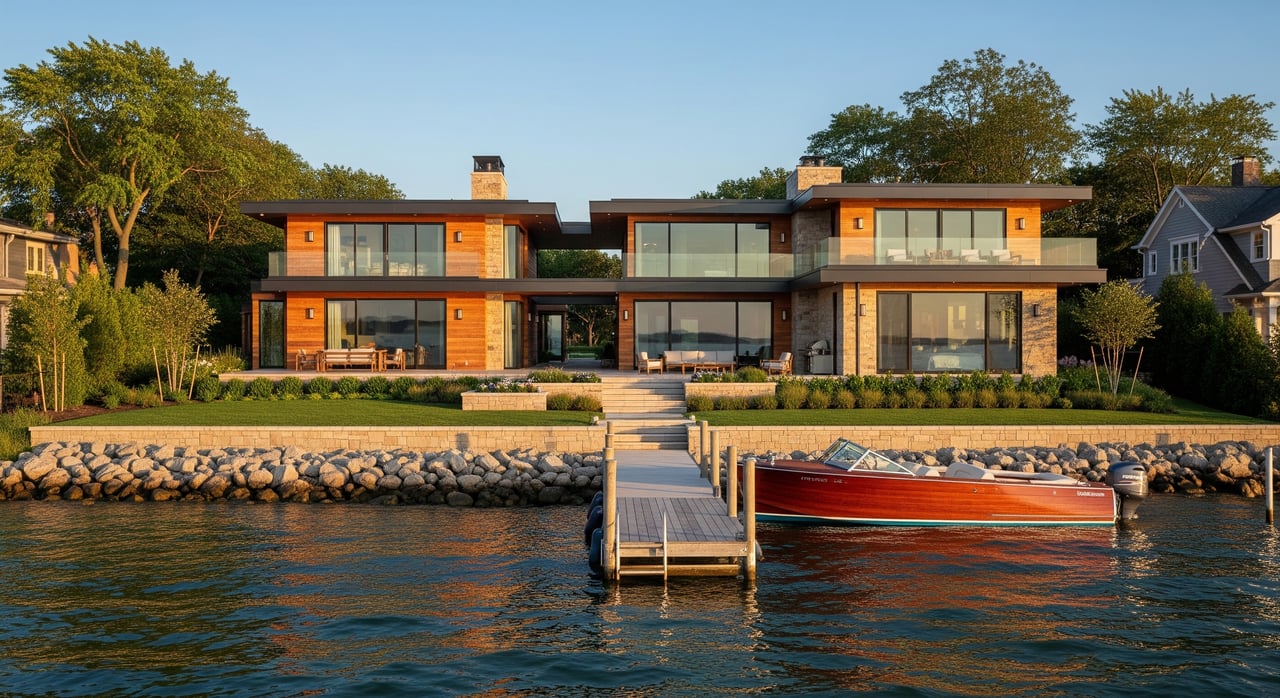
Imagine waking up to sunrise over Lake St. Clair, your boat tied up just steps from your back door. If you are drawn to the water, St. Clair Shores offers a lifestyle that is hard to beat. Buying on the lake comes with unique rules, inspections, and costs that differ from inland homes. This guide walks you through what to look for, how to protect your investment, and how to move forward with confidence. Let’s dive in.
Why St. Clair Shores lakefront
St. Clair Shores sits on the western shore of Lake St. Clair. You will find direct lakefront homes, canal-front properties with protected docking, and condos or townhomes that share slips and waterfront amenities. Boating, fishing, and marina life shape daily living here, with activity peaking from late spring through early fall.
Waterfront living comes with trade-offs. You enjoy instant access to the lake and sweeping views, but you will also see higher maintenance, more complex insurance, and rules around shoreline work. Knowing these factors upfront helps you budget and plan.
Property types you will see
- Direct lakefront homes with private yards and docks on Lake St. Clair.
- Canal-front homes on man-made canals or inlets with bulkheads and private docks.
- Condos and townhomes with shared waterfront facilities and assigned or leased slips.
- Homes without private docks that rely on nearby marinas or leased slips.
What you gain and trade-offs
- Top benefits: boating access, water views, and quick trips to local yacht clubs, marinas, and launches.
- Common trade-offs: more seasonal wear, specialized maintenance, and possible permit needs for shoreline work.
- Older vs. newer: many older lakefronts have existing bulkheads, while newer or remodeled homes may have updated shoreline reinforcement.
Know the rules before you buy
Buying on the water adds legal and regulatory layers. You need clarity on boundaries, rights, and permits before you write an offer.
Riparian rights and shoreline boundaries
In Michigan, lakefront ownership often includes riparian rights such as access and reasonable docking. These rights are limited by state law and local rules. The submerged land below the ordinary high water level may be state-owned or subject to easements. Always confirm the true boundary with a recent survey and deed review. For shoreline rules and definitions, start with Michigan EGLE’s guidance on shoreline and permitting.
Permits for docks, lifts, and seawalls
Many shoreline projects require permits. The Michigan EGLE permitting process covers work below the ordinary high water level and certain shoreline changes. The U.S. Army Corps of Engineers may also regulate activities that affect navigable waters. Locally, the City of St. Clair Shores handles zoning, building permits, and inspections. Before you buy, verify whether existing docks, pilings, lifts, or seawalls were properly permitted and whether future repairs or replacements will need approvals.
Easements, access strips, and slips
Public access strips, utility easements, or municipal rights-of-way near the shore can limit where you place docks or structures. If you are purchasing a property with shared access or a condo slip, review the HOA documents, recorded easements, and any rules on slip assignment or transfer. If your plan is to rely on a leased marina slip, confirm waitlists, transfer rules, and fees in writing.
Zoning, setbacks, and stormwater rules
Local zoning affects allowed uses, height, and setbacks from the shoreline and property lines. Many municipalities limit impervious surface near the water and require erosion and runoff controls. Visit the City of St. Clair Shores for permits, local ordinances, and planning resources.
Inspect the shoreline and structures
The shoreline is the heart of your investment. A beautiful view means little if a failing bulkhead or unstable dock puts your land or safety at risk.
Erosion, lake levels, and bulkheads
Lake St. Clair’s water levels rise and fall across seasons and years. Changing levels and wave action drive long-term erosion. Many St. Clair Shores homes have seawalls or bulkheads. Their condition is critical and can be costly to repair. Review maintenance records, look for signs of bowing or cracks, and consider a marine contractor’s inspection. For context on lake behavior, check NOAA’s Great Lakes water-level data and Michigan Sea Grant’s shoreline management resources.
Ice, freeze-thaw, and seasonal wear
Winter ice can shift docks, stress pilings, and damage seawalls. Plan for winterization every fall and recommissioning each spring. This can include removing or lifting docks and boat lifts, securing loose items, and inspecting fasteners and caps.
Water quality and algae advisories
Lake St. Clair has seen periodic algae and water quality advisories during warmer months. These events can affect swimming, aesthetics, and fishing. Stay informed through EPA guidance on harmful algal blooms and Michigan health advisories.
Utilities, drainage, and basements
Confirm the property’s connection to municipal water and sewer. If a septic system exists, understand inspection and lending implications. Assess how stormwater drains across the lot and toward the lake. Basements near the shoreline may see higher moisture levels, so check for proper waterproofing, sump systems, and ventilation.
Financing, insurance, and ongoing costs
Expect a few extra steps when financing and insuring a lakefront home. Lenders and insurers look closely at elevation, flood risk, and shoreline structures.
Appraisals for waterfront homes
Valuing waterfront is not always straightforward. Unique features like private docks, bulkheads, and slip rights reduce the pool of true comparable sales. Appraisals typically consider both the land’s waterfront premium and the condition and utility of shoreline improvements.
Mortgage options and lender requirements
Conventional lenders finance many waterfront homes. You may see requests for higher down payments or cash reserves if the property is considered higher risk. Lenders often ask for a recent survey showing boundaries, encroachments, and easements. If the home sits in a FEMA Special Flood Hazard Area, flood insurance will be required. FHA and VA loans can work, but repairs or safety items may need to be addressed before closing.
Flood insurance and policy gaps
Not all homeowner policies cover flood. If you are in a mapped high-risk zone, your lender will require flood insurance. Even outside those zones, many buyers choose voluntary coverage. Start with the FEMA Flood Map Service Center to see the property’s zone and then compare options through FloodSmart’s flood insurance resources. Private flood markets may offer alternatives to NFIP policies. Ask your insurance broker about exclusions for water backup, sump pump failure, ice damage, and windstorm so you can add riders where needed.
Ongoing costs and fees to budget
- Bulkhead, dock, and lift upkeep and eventual replacement.
- HOA or marina fees and any assessments for shared facilities.
- Property taxes that reflect waterfront valuations. Check Macomb County’s resources to review processes and available data.
Lakefront vs. inland in Macomb County
Waterfront homes on Lake St. Clair often command a premium per square foot compared with similar inland homes. That premium can expand or shrink based on shoreline condition, ease of boating access, and water quality. Inventory and buyer demand can be seasonal, with slower cycles in winter and more activity during boating months.
Inland homes may offer simpler insurance and lower maintenance. Lakefront draws a more specialized buyer pool, including boat owners and water-focused households who value direct access. If you plan to compare options, consider your true usage. If you will boat every weekend, the premium may feel worth it. If you only want a view, a near-lake property with community access could balance budget and lifestyle.
Your due diligence checklist
Pre-offer checks
- Confirm municipal water and sewer and ask about any special assessments.
- Order a title search focused on riparian rights, recorded easements, and any marina or slip agreements.
- Request maintenance and repair records for bulkheads, docks, and lifts, including permits for past shoreline work.
- Review HOA rules, marina policies, and slip transferability and fees if applicable.
Inspections to order
- General home inspection with focus on moisture, foundation, and basement systems.
- Shoreline and bulkhead inspection by a marine contractor or structural engineer.
- Dock and boat lift inspection by a qualified marine contractor.
- Survey showing property lines, shoreline boundary, and any encroachments.
- Flood elevation certificate or elevation data if flood insurance is likely.
- Environmental records search for contamination or remediation history.
- Geotechnical evaluation if you see signs of severe erosion or instability.
The right team of pros
- Local real estate agent with St. Clair Shores waterfront experience.
- Title company familiar with shoreline easements and submerged land issues.
- Marine contractor for bulkheads, docks, and lifts.
- Structural or civil engineer for serious shoreline or foundation concerns.
- Insurance broker who compares NFIP and private flood coverage.
- Land-use or planning attorney for complex easement or permitting questions.
Smart contingencies and negotiation
- Include contingencies for bulkhead, dock, and survey reviews.
- Require proof of permits for prior shoreline work and written clarity on any corrective work.
- Consider an escrow holdback for known shoreline repairs if sellers will not complete them before closing.
How to move forward with confidence
Start by mapping your must-haves. Decide if you need direct lake access, a canal for calmer docking, or a condo with a managed slip. Get early quotes on insurance, line up a marine contractor for inspections, and pull flood and elevation data. Use public sources like FEMA’s Flood Map Service Center and Michigan Sea Grant’s shoreline guidance to inform your plan.
When you are ready, lean on a local partner who knows the shoreline, the marinas, and the permitting process. That local context helps you spot value, avoid costly surprises, and negotiate the right protections.
If you want a single, local team for home search, financing introductions, and even future property management, we are here to help. Reach out to Great Lakes Realty and Property Management to talk through your goals on Lake St. Clair.
FAQs
What are riparian rights for St. Clair Shores buyers?
- In Michigan, riparian rights usually include access and reasonable docking, but they are limited by state and local rules; confirm the shoreline boundary and any easements with a survey and title review, and consult Michigan EGLE resources for definitions.
Do I need permits to install or replace a dock or seawall?
- Often yes; work below the ordinary high water level typically requires EGLE permits, and some projects also involve the U.S. Army Corps of Engineers plus local permits from the City of St. Clair Shores.
How do I check flood risk and insurance needs?
- Look up the property’s zone on the FEMA Flood Map Service Center and request quotes through FloodSmart’s resources; even outside high-risk zones, many buyers choose voluntary flood coverage.
What inspections are unique to lakefront homes?
- In addition to a general home inspection, order a marine contractor review of the bulkhead, dock, and lift, get a current survey, and obtain elevation data or a flood elevation certificate if insurance may be required.
Are marina slips transferable when I buy or sell?
- It depends on the HOA or marina; verify ownership vs. lease, assignment rules, waitlists, and fees in the recorded documents and written policies before closing.